
MARY’S CULINARY PASSPORT · POSTCARDS
Mexico
AT A GLANCE
FOOD FIRST
Food Culture
Mexican cuisine is a living regional tradition grounded in corn, beans, chiles, Indigenous knowledge and centuries of cultural exchange.
Signature Foods
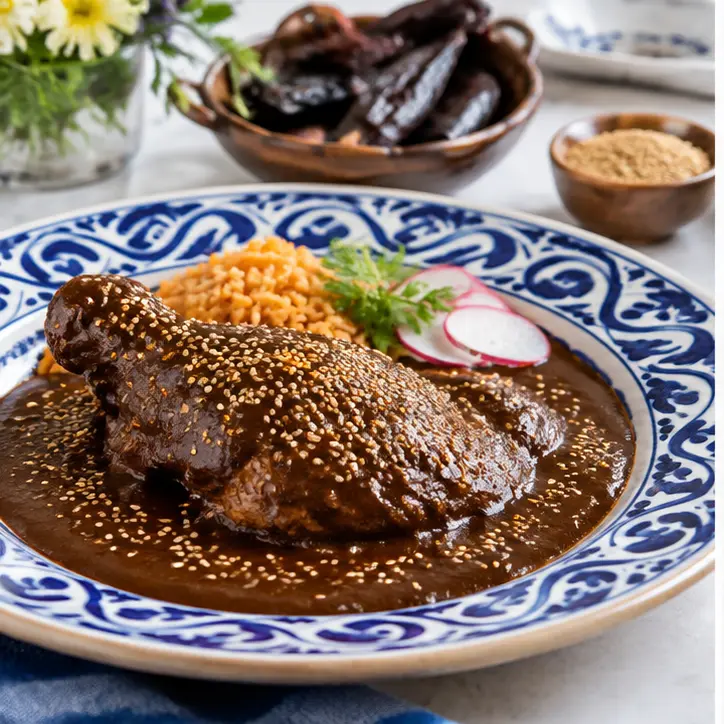
Mole
complex chile, spice and seed sauce
Tacos al pastor
spit-roasted pork in tortillas
Tamales
filled masa steamed in wrappers
Pozole
celebratory hominy soup
Ingredients & Flavors
Regional Specialties
Oaxaca
moles, masa and artisan traditions
Yucatán
citrus, achiote and Maya influence
Puebla
convent cooking and complex sauces
Dining Customs
Dining customs vary by family, region and setting, but these practical notes offer a thoughtful starting point.
Comida
The main midday meal may unfold through soup, rice, a main dish and dessert, especially on weekends.
Taco etiquette
Use your hands, angle the taco rather than overfilling it and add salsa only after tasting.
Hospitality
Family gatherings are abundant and unhurried; accepting a little more food is often easier than a firm first refusal.
Markets & Culinary Experiences
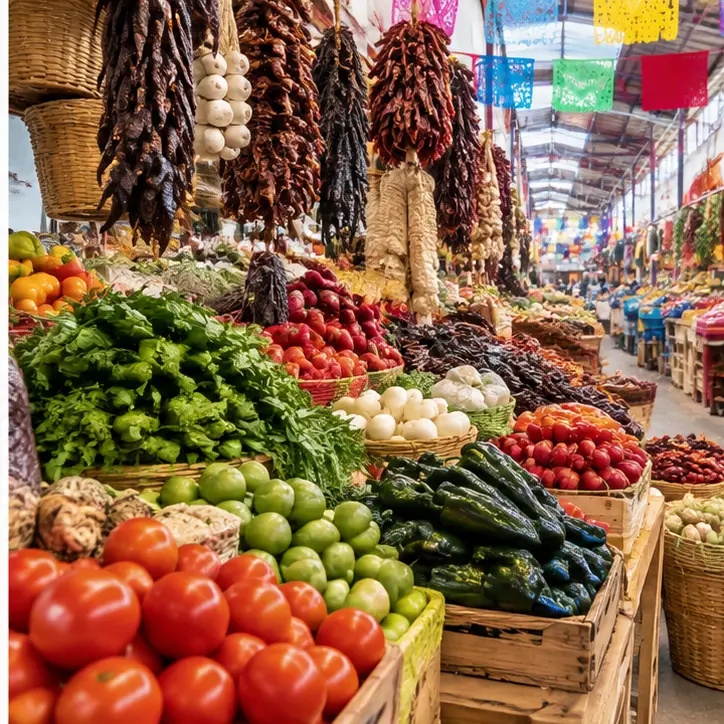
Visit local produce markets, bakeries and neighborhood food halls to see how corn, beans, chiles shape everyday cooking. A guided market walk or small cooking class is a welcoming way to meet local cooks and learn the stories behind the table.
Mercado de la Merced
Mexico City
Mercado 20 de Noviembre
Oaxaca City
Mercado Lucas de Gálvez
Mérida
Market days, hours and locations can change. Confirm current details before visiting.
TRAVEL SECOND
Cities & Attractions
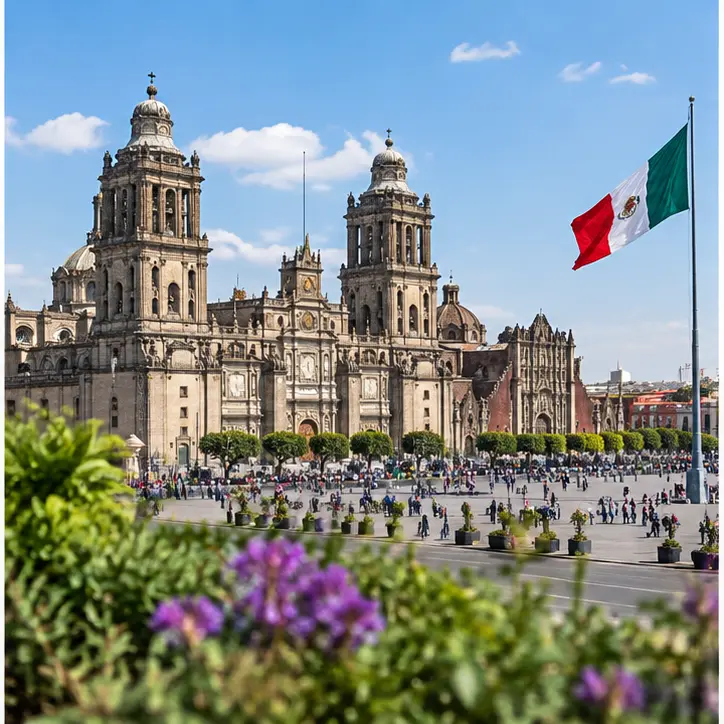
Mexico City
Oaxaca City
Mérida
Things to Do
National Museum of Anthropology, Mexico City
Explore major Indigenous and archaeological collections.
Teotihuacan
Walk the monumental Avenue of the Dead northeast of the capital.
Oaxaca City and Monte Albán
Pair markets and artisan neighborhoods with the Zapotec hilltop site.
Chichén Itzá and cenotes
Visit the Maya city early and cool off at a managed cenote.
Festivals & Traditions
Día de Muertos · Late October through November 2
Families build ofrendas, visit cemeteries and share foods that honor the dead.
Guelaguetza, Oaxaca · July
Regional delegations present dance, dress, music and community exchange.
Independence celebrations · September 15 and 16
The Grito, flags, fireworks and public gatherings fill plazas nationwide.
Festival dates and programs can shift from year to year, especially those tied to lunar or religious calendars. Confirm the current schedule before traveling.
Traditions to Notice
Ofrenda
Altars combine photographs, candles, marigolds, water and favorite foods to welcome departed loved ones.
Tianguis
Open-air market traditions continue a long history of regional trade and community exchange.
Before You Go
Capital: Mexico City Primary language: Spanish Currency: Mexican peso
Opening times, entry rules and local conditions can change. Confirm practical details with official destination sources before traveling.