
MARY’S CULINARY PASSPORT · POSTCARDS
Croatia
AT A GLANCE
FOOD FIRST
Food Culture
Croatian cuisine bridges the Adriatic and Central Europe, pairing coastal seafood and olive oil with inland roasts, pastries and stews.
Signature Foods
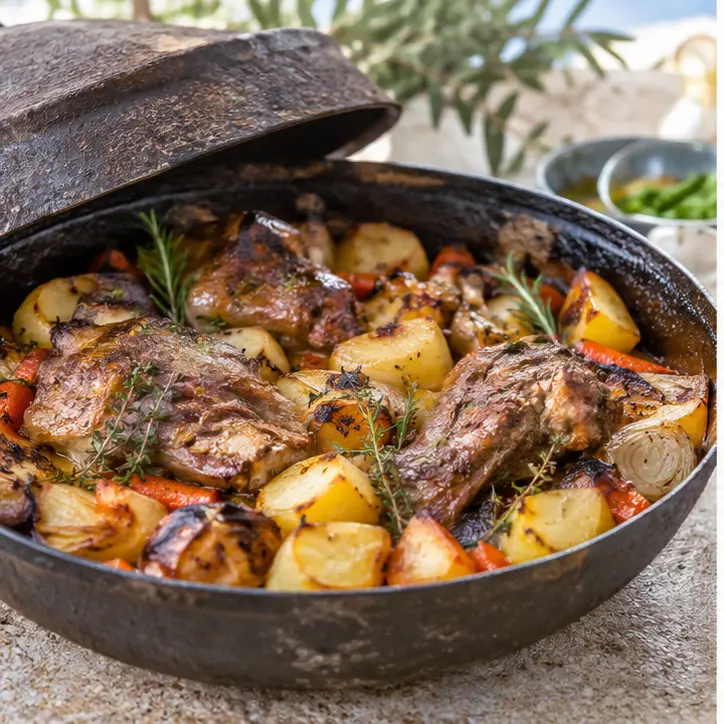
Peka
meat or seafood slow-cooked under a bell
Crni rižot
black cuttlefish risotto
Štrukli
filled pastry or dumpling
Pašticada
Dalmatian braised beef
Ingredients & Flavors
Regional Specialties
Dalmatia
grilled fish and peka
Istria
truffles, pasta and olive oil
Zagreb region
pastries and meat dishes
Dining Customs
Dining customs vary by family, region and setting, but these practical notes offer a thoughtful starting point.
Regional contrast
Coastal meals lean toward seafood and olive oil, while inland tables feature roasts, stews and pastries.
Pace and hospitality
Meals are leisurely, and hosts may encourage additional servings as a sign of welcome.
Coffee culture
Meeting for coffee can last much longer than the drink itself, especially on town squares and promenades.
Markets & Culinary Experiences
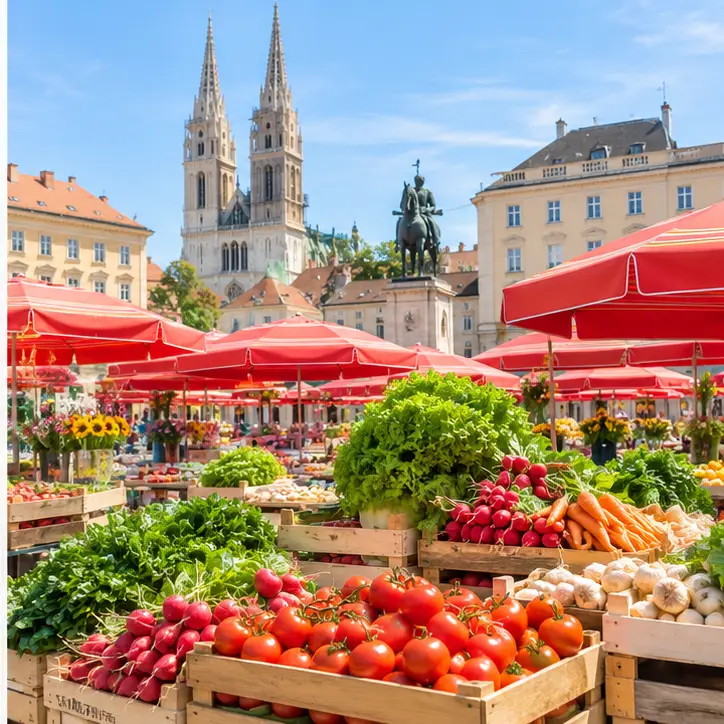
Visit local produce markets, bakeries and neighborhood food halls to see how olive oil, seafood, truffles shape everyday cooking. A guided market walk or small cooking class is a welcoming way to meet local cooks and learn the stories behind the table.
Dolac Market
Zagreb
Pazar Market
Split
Gundulić Square Market
Dubrovnik
Market days, hours and locations can change. Confirm current details before visiting.
TRAVEL SECOND
Cities & Attractions
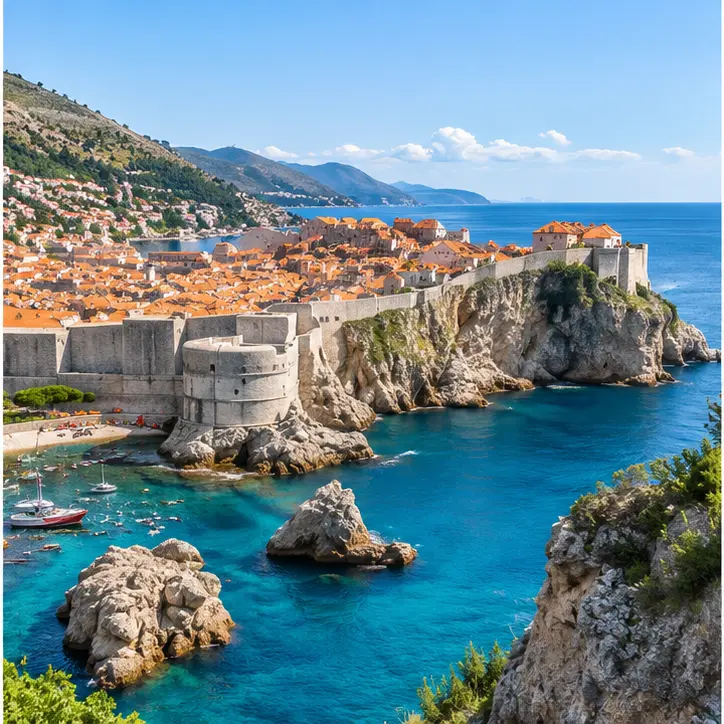
Dubrovnik
Split
Zagreb
Things to Do
Dubrovnik walls
Circle the old city above the Adriatic and visit quieter streets early in the day.
Plitvice Lakes
Follow boardwalks past turquoise lakes and waterfalls.
Diocletian's Palace, Split
Explore Roman foundations woven into a living city center.
Istria
Hunt for truffles, visit hill towns and taste regional olive oils.
Festivals & Traditions
Dubrovnik Summer Festival · July and August
Theater, music and dance inhabit historic courtyards and forts.
Sinjska Alka · August
Horsemen compete in a ring-tilting tournament with centuries of local tradition.
Advent Zagreb · Late November through early January
Markets, concerts and seasonal foods animate the capital.
Festival dates and programs can shift from year to year, especially those tied to lunar or religious calendars. Confirm the current schedule before traveling.
Traditions to Notice
Klapa singing
Unaccompanied multipart singing from Dalmatia expresses community and place.
Konoba culture
Family-run taverns showcase local wine, seafood, peka and recipes rooted in the region.
Before You Go
Capital: Zagreb Primary language: Croatian Currency: Euro
Opening times, entry rules and local conditions can change. Confirm practical details with official destination sources before traveling.