
MARY’S CULINARY PASSPORT · POSTCARDS
India
AT A GLANCE
FOOD FIRST
Food Culture
India’s food traditions are extraordinarily diverse, shaped by regional grains, religions, climates, spice blends and centuries of exchange.
Signature Foods
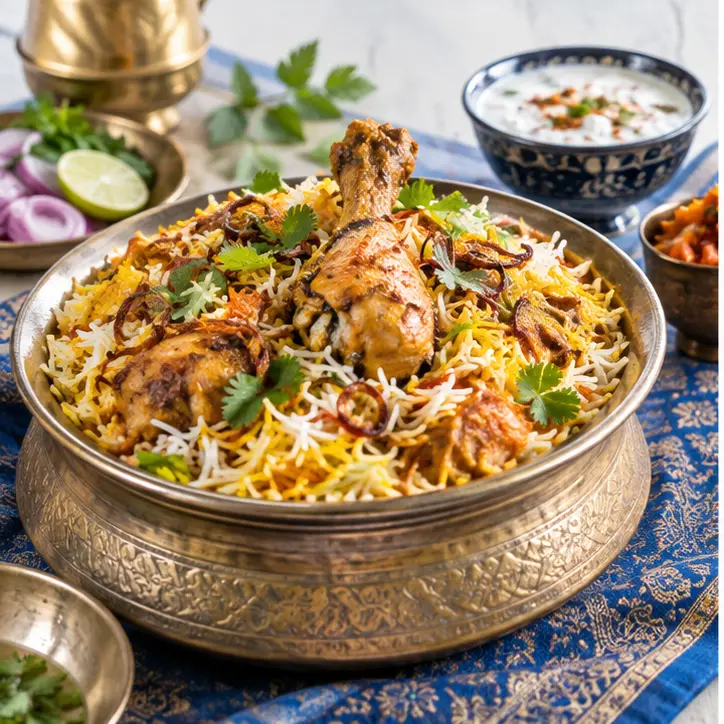
Biryani
aromatic layered rice dish
Masala dosa
crisp fermented rice-and-lentil crepe
Butter chicken
tomato-butter curry
Chaat
lively family of savory street snacks
Ingredients & Flavors
Regional Specialties
Punjab
tandoor cooking and rich dairy
South India
rice, coconut and fermented batters
Bengal
fish, mustard and sweets
Dining Customs
Dining customs vary by family, region and setting, but these practical notes offer a thoughtful starting point.
Regional diversity
Customs differ enormously by community and religion; observe the host and follow local practice.
Right-hand convention
When eating by hand, use the right hand and keep the left away from shared serving food.
Hospitality
Hosts may insist on second helpings; accepting a little and offering sincere praise are gracious responses.
Markets & Culinary Experiences
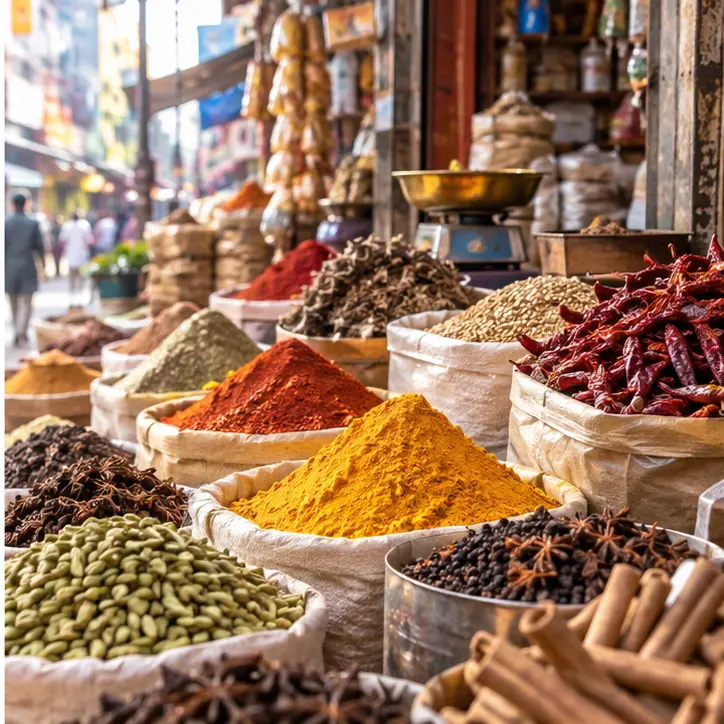
Visit local produce markets, bakeries and neighborhood food halls to see how rice, lentils, wheat shape everyday cooking. A guided market walk or small cooking class is a welcoming way to meet local cooks and learn the stories behind the table.
Khari Baoli
Delhi
Crawford Market
Mumbai
Devaraja Market
Mysuru
Market days, hours and locations can change. Confirm current details before visiting.
TRAVEL SECOND
Cities & Attractions
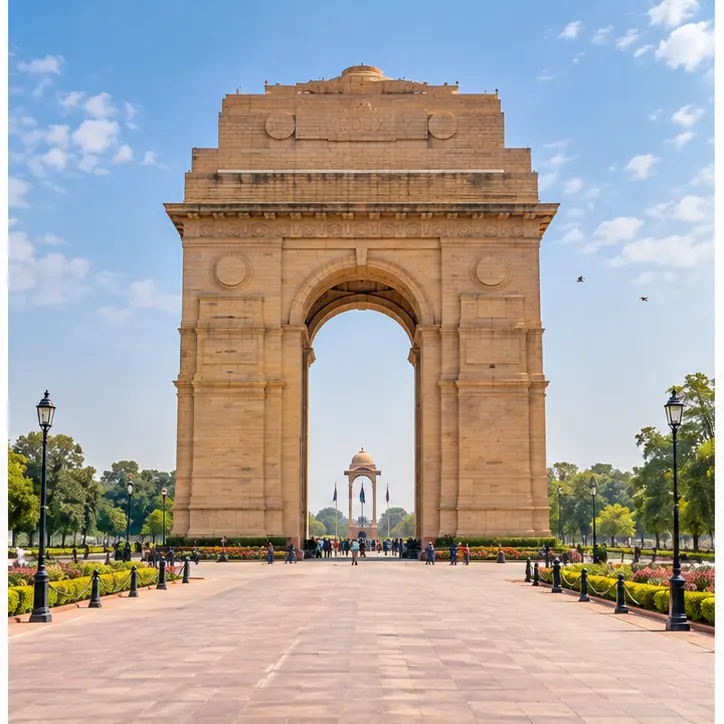
Delhi
Mumbai
Jaipur
Things to Do
Taj Mahal, Agra
Visit at opening light and explore nearby Mughal monuments.
Jaipur forts
Tour Amber Fort, City Palace and the old city's bazaars.
Varanasi ghats
Experience the Ganges respectfully with a local guide at dawn or evening.
Kerala backwaters
Travel slowly by small boat or homestay through canals and villages.
Festivals & Traditions
Diwali · October or November
Lamps, rangoli, sweets and family worship celebrate light and renewal in many communities.
Holi · February or March
Colored powders, music and springtime celebration mark the festival in much of India.
Navratri and Durga Puja · September or October
Dance, devotional art and public displays take regionally distinct forms.
Festival dates and programs can shift from year to year, especially those tied to lunar or religious calendars. Confirm the current schedule before traveling.
Traditions to Notice
Namaste
Pressed palms can serve as a respectful greeting without physical contact.
Rangoli
Geometric or floral floor designs made with powder, rice or petals welcome guests and auspiciousness.
Before You Go
Capital: New Delhi Primary language: Hindi and English, plus regional languages Currency: Indian rupee
Opening times, entry rules and local conditions can change. Confirm practical details with official destination sources before traveling.