
MARY’S CULINARY PASSPORT · POSTCARDS
Japan
AT A GLANCE
FOOD FIRST
Food Culture
Japanese food culture values seasonality, precision, regional identity and thoughtful presentation, from humble noodle shops to formal kaiseki.
Signature Foods
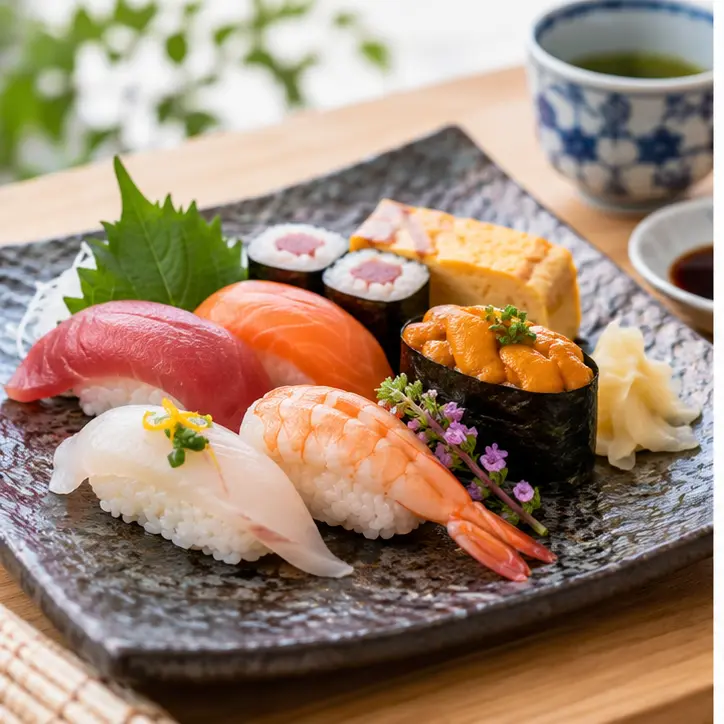
Sushi
seasoned rice with seafood and vegetables
Ramen
regional noodle soups
Tempura
delicately battered fried foods
Okonomiyaki
savory griddled pancake
Ingredients & Flavors
Regional Specialties
Kansai
dashi, street foods and refined Kyoto cuisine
Hokkaido
dairy, seafood and cold-climate produce
Kyushu
pork ramen and bold regional flavors
Dining Customs
Dining customs vary by family, region and setting, but these practical notes offer a thoughtful starting point.
Before and after
Itadakimasu expresses gratitude before eating and gochisōsama deshita thanks the cook or host afterward.
Chopstick etiquette
Never pass food chopstick-to-chopstick or leave chopsticks standing in rice because both evoke funeral rites.
Noodle and counter culture
Quiet slurping is acceptable for noodles, and small restaurants may expect ordering from a ticket machine.
Markets & Culinary Experiences
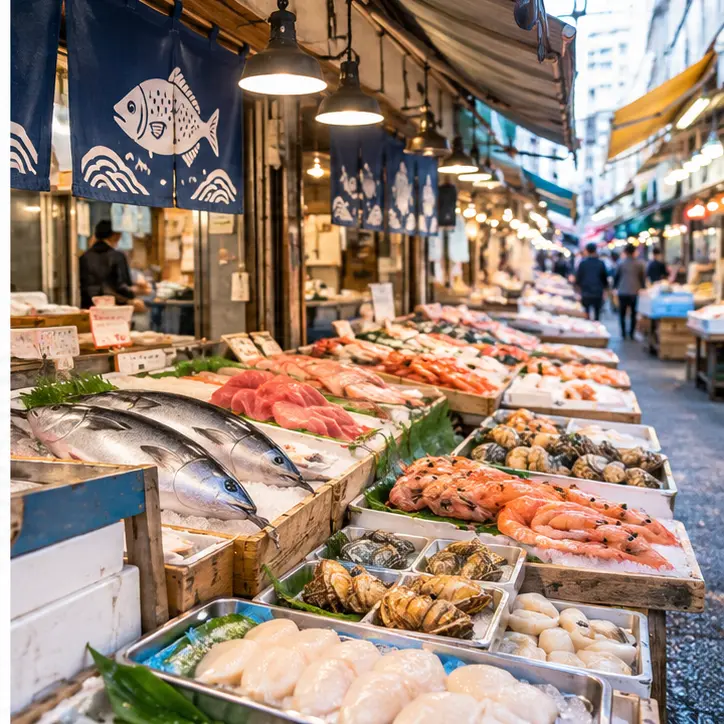
Visit local produce markets, bakeries and neighborhood food halls to see how rice, soy, miso shape everyday cooking. A guided market walk or small cooking class is a welcoming way to meet local cooks and learn the stories behind the table.
Tsukiji Outer Market
Tokyo
Nishiki Market
Kyoto
Ōmichō Market
Kanazawa
Market days, hours and locations can change. Confirm current details before visiting.
TRAVEL SECOND
Cities & Attractions
Tokyo
Kyoto
Osaka
Things to Do
Fushimi Inari, Kyoto
Walk through thousands of torii gates into the forested hillside.
Tsukiji Outer Market, Tokyo
Visit early for specialist food shops and respectful tasting.
Hiroshima Peace Memorial Park
Explore the museum and monuments with time for reflection.
Nara Park and Tōdai-ji
See the Great Buddha hall and protect food from the free-roaming deer.
Festivals & Traditions
Gion Matsuri, Kyoto · July
Monumental floats, neighborhood displays and processions fill the city.
Nebuta Matsuri, Aomori · August
Illuminated paper floats, dancers and drums animate summer nights.
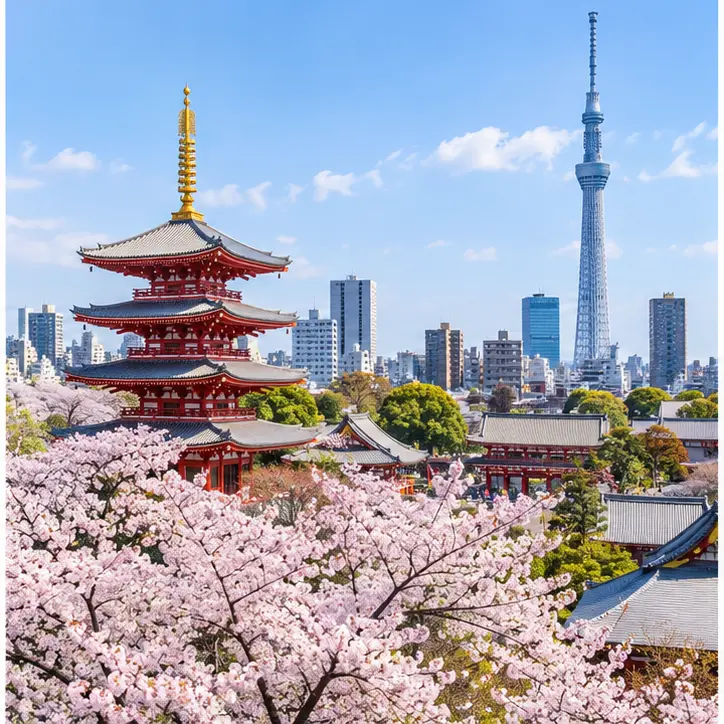
Cherry-blossom season · Usually March and April
Hanami picnics welcome spring as blossoms move northward.
Festival dates and programs can shift from year to year, especially those tied to lunar or religious calendars. Confirm the current schedule before traveling.
Traditions to Notice
Omiyage
Travelers bring carefully packaged regional gifts home for family and coworkers.
Onsen etiquette
Wash thoroughly before entering communal baths, keep towels out of the water and follow tattoo policies.
Before You Go
Capital: Tokyo Primary language: Japanese Currency: Japanese yen
Opening times, entry rules and local conditions can change. Confirm practical details with official destination sources before traveling.