
MARY’S CULINARY PASSPORT · POSTCARDS
South Korea

AT A GLANCE
FOOD FIRST
Food Culture
Korean cuisine builds layers of flavor through fermentation, grilling, seasonal vegetables and a table filled with shared side dishes.
Signature Foods
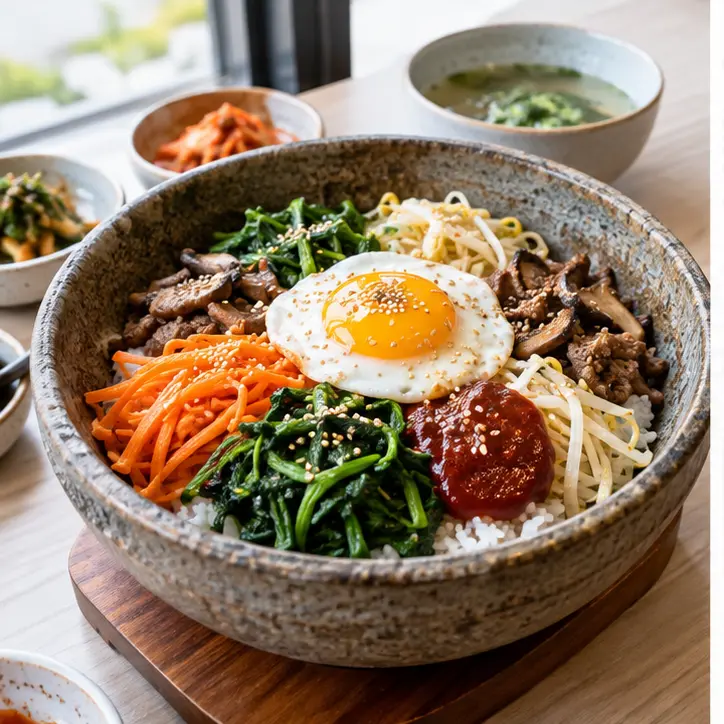
Bibimbap
rice with vegetables, protein and chile paste
Bulgogi
marinated grilled beef
Kimchi jjigae
warming fermented-cabbage stew
Tteokbokki
chewy rice cakes in spicy sauce
Ingredients & Flavors
Regional Specialties
Jeolla
abundant banchan and refined regional cooking
Jeju
seafood, citrus and black pork
Seoul
royal traditions and dynamic street food
Dining Customs
Dining customs vary by family, region and setting, but these practical notes offer a thoughtful starting point.
Age and respect
Wait for the eldest person to begin, and receive or pass important items with two hands.
Shared banchan
Side dishes belong to the table; use serving utensils and take modest portions.
Drinking etiquette
Pour for others rather than yourself, support the pouring arm and turn slightly away when a younger person drinks before an elder.
Markets & Culinary Experiences
Visit local produce markets, bakeries and neighborhood food halls to see how rice, kimchi, gochujang shape everyday cooking. A guided market walk or small cooking class is a welcoming way to meet local cooks and learn the stories behind the table.
Gwangjang Market
Seoul
Jagalchi Market
Busan
Dongmun Market
Jeju City
Market days, hours and locations can change. Confirm current details before visiting.
TRAVEL SECOND
Cities & Attractions
Seoul
Busan
Jeju Island
Things to Do
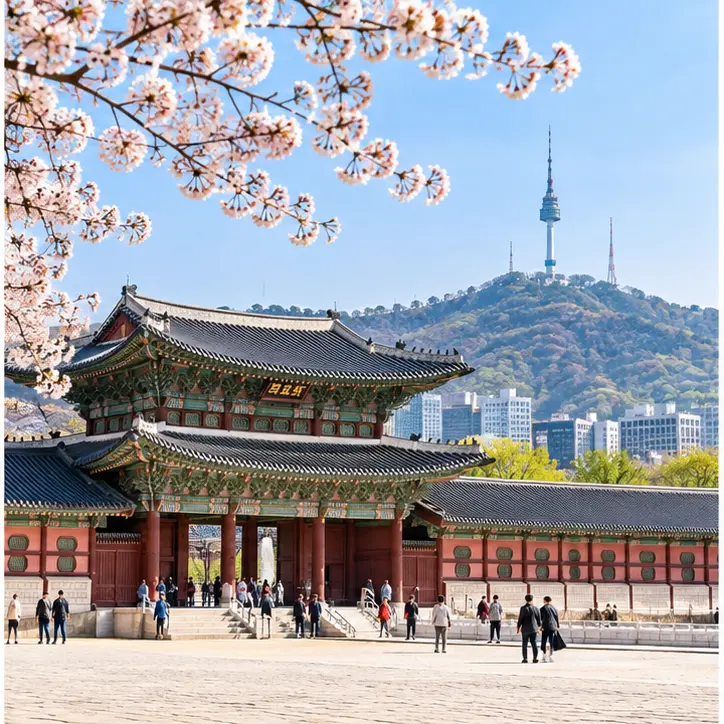
Gyeongbokgung Palace, Seoul
Visit restored halls and watch the guard-changing ceremony.
Bukchon and Jongmyo
Walk historic neighborhoods and royal ancestral spaces with respect for residents.
Jeju Island
Explore volcanic landscapes, lava tubes and haenyeo culture.
Gyeongju
Cycle among Silla-era tombs, temples and the historic observatory.
Festivals & Traditions
Seollal · January or February
Families honor ancestors, eat tteokguk and play traditional games for lunar new year.
Jinju Namgang Yudeung Festival · Usually October
Thousands of lanterns illuminate the river and fortress.
Boryeong Mud Festival · July
Beach games, music and mud activities create a playful summer event.
Festival dates and programs can shift from year to year, especially those tied to lunar or religious calendars. Confirm the current schedule before traveling.
Traditions to Notice
Kimjang
Families and communities prepare and share large quantities of kimchi before winter.
Hanbok
Traditional clothing appears at holidays, weddings and palace visits, with designs carrying age and occasion cues.
Before You Go
Capital: Seoul Primary language: Korean Currency: South Korean won
Opening times, entry rules and local conditions can change. Confirm practical details with official destination sources before traveling.