
MARY’S CULINARY PASSPORT · POSTCARDS
Vietnam
AT A GLANCE
FOOD FIRST
Food Culture
Vietnamese cuisine is fresh, aromatic and regionally varied, balancing herbs, rice, broths, fermented seasonings and contrasting textures.
Signature Foods
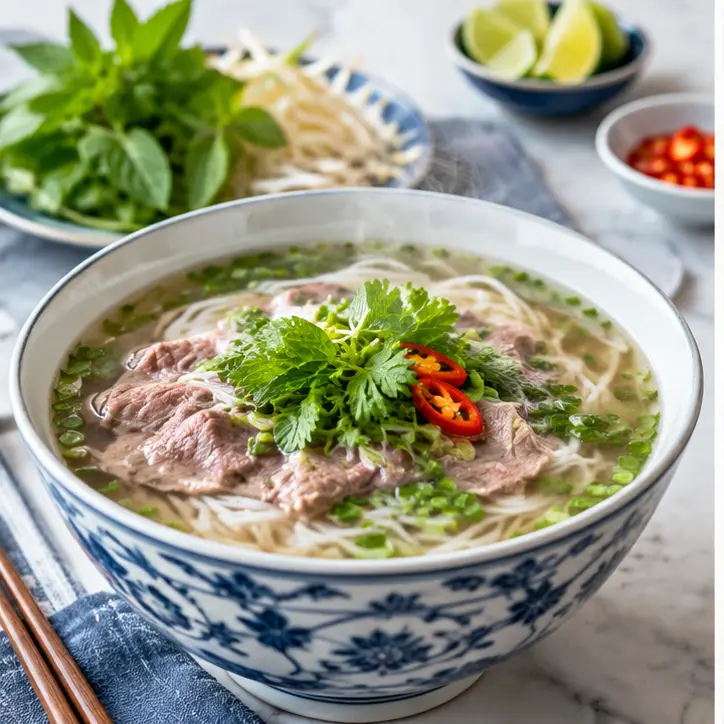
Phở
aromatic rice-noodle soup
Bánh mì
crisp baguette sandwich
Bún chả
grilled pork with noodles and herbs
Bánh xèo
crisp savory rice crepe
Ingredients & Flavors
Regional Specialties
North
subtle broths and balanced seasoning
Central coast
chile heat and imperial dishes
South
herbs, coconut and gentle sweetness
Dining Customs
Dining customs vary by family, region and setting, but these practical notes offer a thoughtful starting point.
Shared table
Rice, soup and several savory dishes are placed centrally, with individual bowls for each diner.
Chopstick etiquette
Do not stand chopsticks upright in rice, point with them or move communal food directly to your mouth without serving utensils.
Street-food manners
Observe the stall's system, share low tables courteously and return bowls or utensils where directed.
Markets & Culinary Experiences
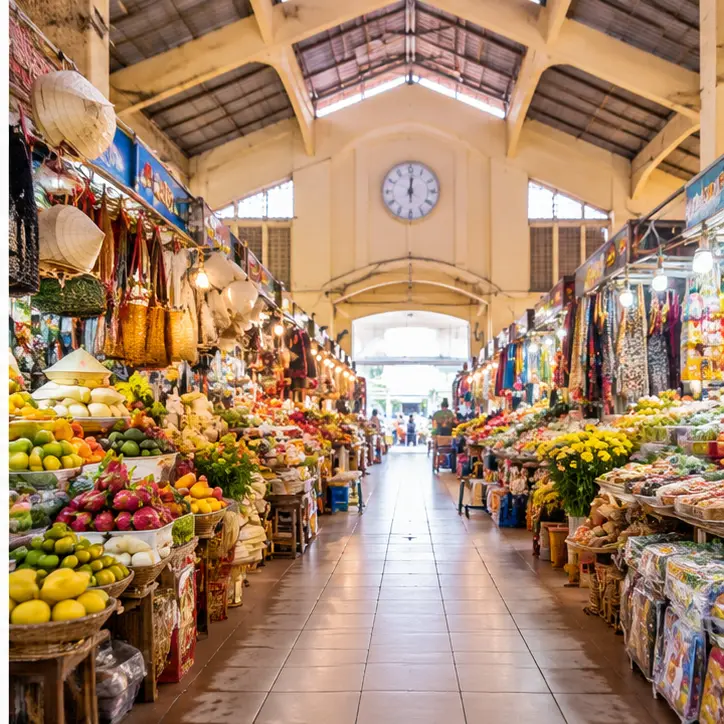
Visit local produce markets, bakeries and neighborhood food halls to see how rice, fish sauce, fresh herbs shape everyday cooking. A guided market walk or small cooking class is a welcoming way to meet local cooks and learn the stories behind the table.
Bến Thành Market
Ho Chi Minh City
Đồng Xuân Market
Hanoi
Hội An Central Market
Hội An
Market days, hours and locations can change. Confirm current details before visiting.
TRAVEL SECOND
Cities & Attractions
Hanoi
Hội An
Ho Chi Minh City
Things to Do
Hanoi Old Quarter
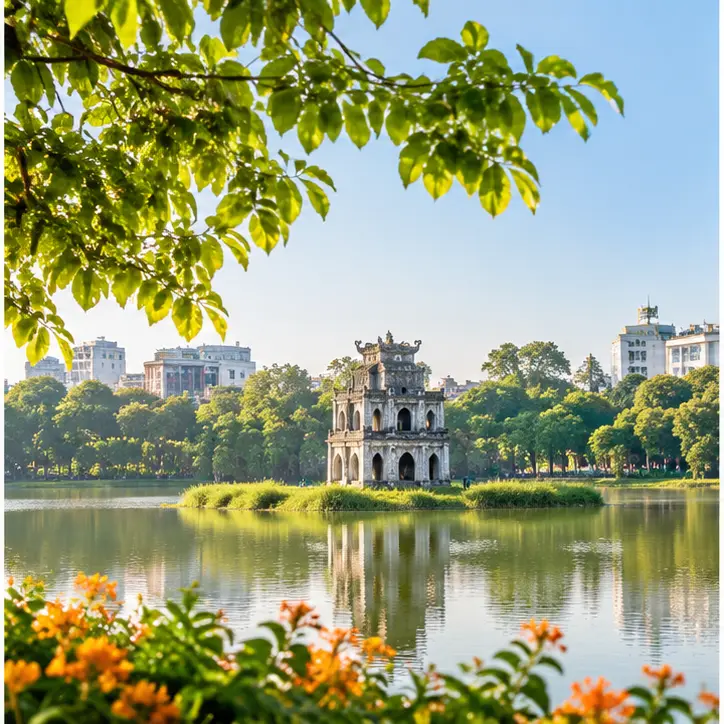
Walk early around markets, heritage houses and Hoàn Kiếm Lake.
Hạ Long Bay or Lan Ha Bay
Choose a lower-impact cruise through limestone seascapes.
Hội An
Explore preserved merchant houses, nearby craft villages and evening lantern streets.
Huế Imperial City
Visit royal enclosures, garden houses and tombs along the Perfume River.
Festivals & Traditions
Tết · January or February
Families clean homes, honor ancestors, exchange lucky money and prepare symbolic foods for lunar new year.
Huế Festival · Usually April, May or June in scheduled years
Performance and heritage events animate the former imperial capital.
Mid-Autumn Festival · September or October
Lantern processions, lion dances and mooncakes center children and family.
Festival dates and programs can shift from year to year, especially those tied to lunar or religious calendars. Confirm the current schedule before traveling.
Traditions to Notice
Ancestor altar
Offerings and remembrance connect family life with previous generations in many homes.
Áo dài
The elegant tunic and trousers appear at schools, ceremonies, weddings and national celebrations.
Before You Go
Capital: Hanoi Primary language: Vietnamese Currency: Vietnamese đồng
Opening times, entry rules and local conditions can change. Confirm practical details with official destination sources before traveling.